
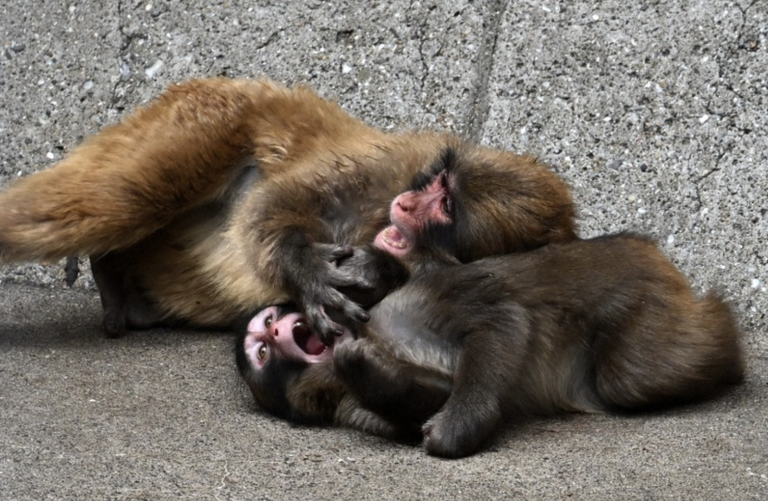
Punch the Monkey feeding routine at the Ichikawa Zoo has changed again. It’s the biggest shift we’ve seen since he rejoined the troop in February. For months, Punch ate straight from the zookeepers’ buckets. He jumped on them during feeding rounds. After that, they carried him back through the staff door. Then gave him his own plate of fruits and vegetables along with his formula bottle. That routine is gone now. The zoo has moved Punch to a new system built around structure and independence. He responds to his name. He goes into the enclosure first. Then the keepers feed the troop.
Punch’s Early Months
Punch’s first months were nothing like a normal Japanese macaque monkey. He was born to a first-time mother in the middle of the July heat. He needed constant care since his mother was sick from the heat and couldn’t care for him. So. Ichikawa Zoo hand‑fed him from his start. They attempted to reconnect mother and Punch, but she had not produced milk for him. Two zookeepers, Kosuke Shikano and Shumpei Miyakoshi, handled every feeding, every bottle, and every check‑in. Punch the Monkey relied completely on them for nutrition and comfort. Many fans have nicknamed them the “daddies.”
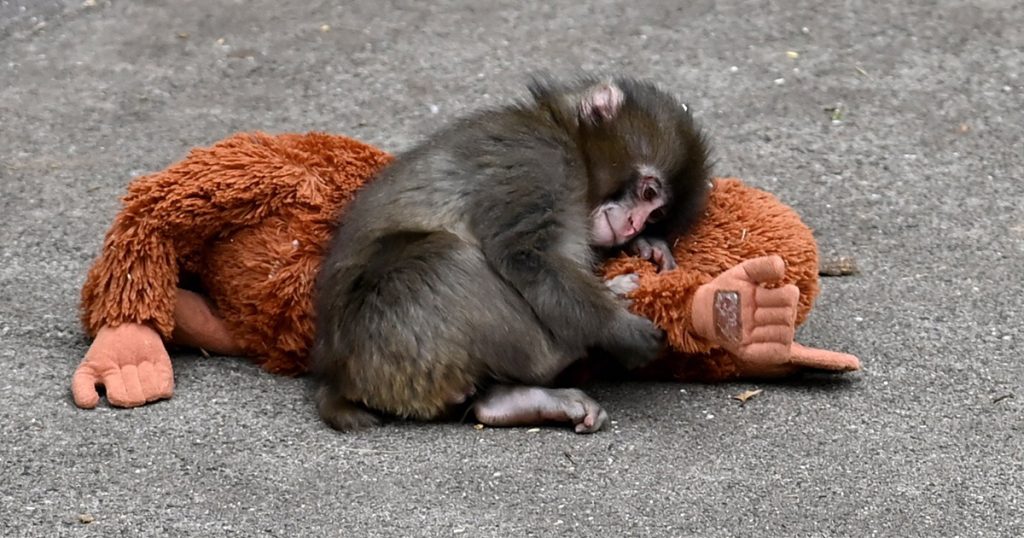
When he reached six months, the zoo decided he was ready to join the troop. Japanese macaques begin exploring without their mothers between six and eight months, so this was the natural window for integration. But Punch didn’t enter the troop empty‑handed. The staff gave him an orangutan stuffed animal to cling to. They called it his “mommy,” because young macaques still hold onto their mothers at that age. Punch slept with it, carried it, and used it as a comfort object while adjusting to troop life.
How Punch the Monkey Used to Eat
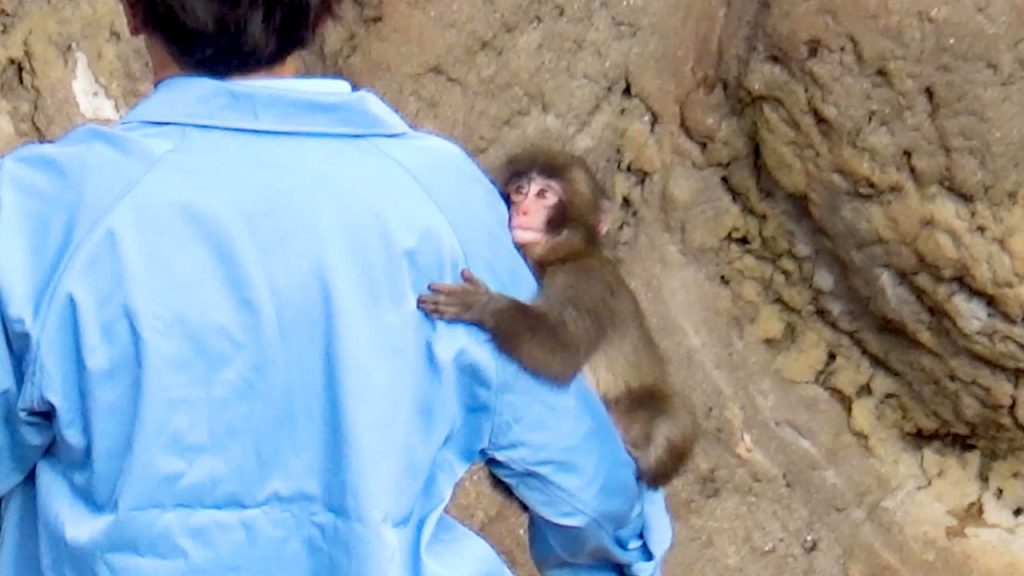
Punch’s old feeding routine was simple and predictable. When the keepers entered the troop area with the feeding buckets, Punch was with the troop and ran straight to them. He climbed on their legs and shoulders. Then he grabbed food from the buckets. He treated the keepers like this because they were the ones who raised him.
After the keepers finished feeding the adults, they took Punch the Monkey back through the staff door. Inside, he received his own plate of fruits and vegetables along with his formula bottle. This extra feeding helped him gain weight and kept him on a monitored schedule while he was still developing. It also kept his bond with the keepers strong, since they were the ones who fed him every day.
The New Feeding Routine
Now Punch’s routine is a little different. The keepers call Punch by his name. He responds immediately. Yes, little Punch knows his name. When they call him, he goes into the enclosure first. Inside is the same food that is given to the troop already put out for the monkeys. Only after Punch is inside do the keepers step out to feed the troop.
This change stops Punch from climbing on the keepers and grabbing food from the buckets. It also keeps the feeding rounds calm and predictable. Punch still eats with the troop. However, he enters the area in a controlled way instead of chasing the keepers. There are other monkeys present. Some are older or just wanted to stay inside at that time. Some come in before Punch does.
The zookeepers still prepare the troop’s food inside the monkey building each morning. They still wait for Punch to enter the enclosure before feeding the adults. Punch is not alone, ignored, or pushed aside. The routine is simply more structured now.
Why the Change Matters
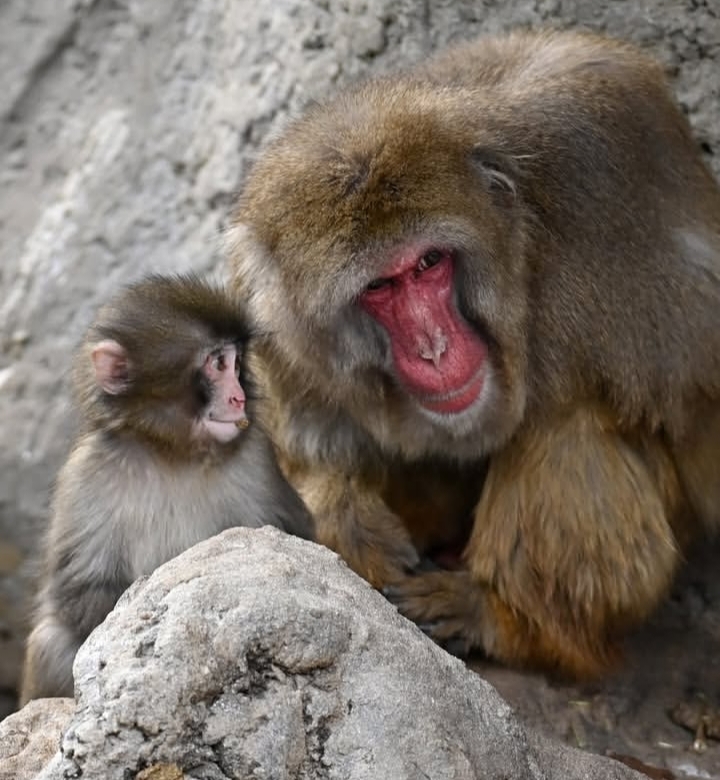
Punch the Monkey is growing. The zoo is shifting him toward normal Japanese macaque behavior. Calling him by name, guiding him into the enclosure, and letting him eat with the troop (instead of from the keepers’ buckets) teaches him independence. This reduces his reliance on human feeding.
The “dads” aren’t abandoning him. They’re adjusting the routine because Punch is older and ready for the next stage. Punch still gets attention. He still gets structured care.
The routine is different now. It reflects his development. Punch is learning how to be a juvenile Japanese macaque, not a hand‑raised infant. This is the next step in his growth. The Ichikawa Zoo is guiding him through it one feeding at a time.
Please continue to follow The Unlocked Info for future updates.