
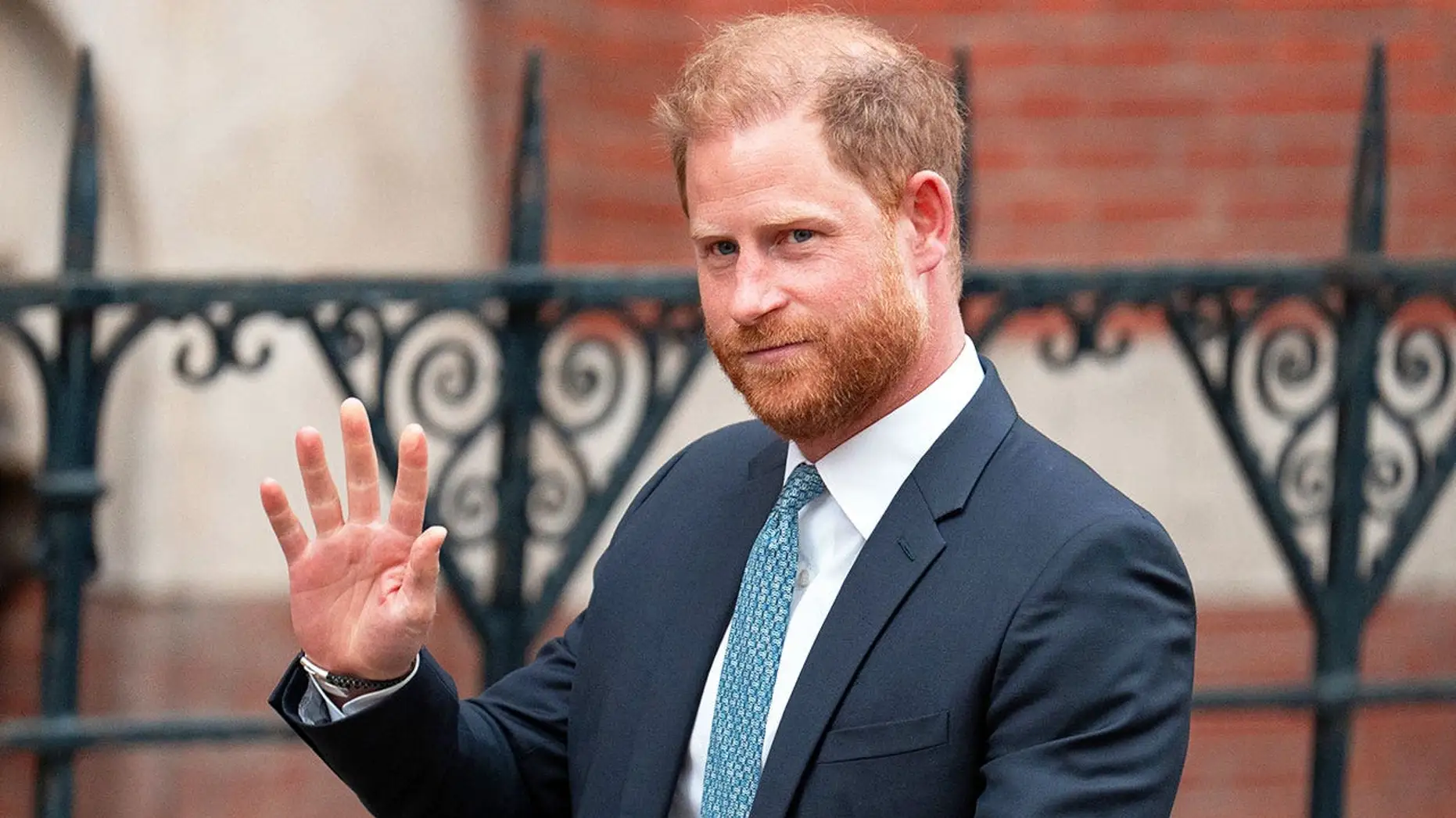
Prince Harry’s departure from the Royal Family is often reduced to a single moment. A dramatic argument, a breaking point, or a final walkout from the palace as the breaking point. The truth is far more complex. Harry didn’t leave because of one event. He left because multiple pressures. Some have been stretching back to childhood. They all converged at the same time, making royal life unsustainable by 2020.
So, we are going to take a deep look at the pressures that built within Prince Harry.
The Shadow of 1997: Diana’s Death and a Lifetime of Distrust
Prince Harry’s exit begins with the death of his mother, Diana, Princess of Wales. At age 12, Harry walked behind her coffin as the world watched. The public saw duty; Harry experienced trauma. Over the years, he spoke openly about:
- Grief
- Trauma
- The Intense Media Scrutiny Surrounding Diana’s Life and Death
- A Deep Distrust of Parts of the Press
This distrust became a defining force in his adult life. Along with a central factor in his departure. Palace Intrigue states, “He saw media intrusion not merely as an inconvenience, but as something potentially dangerous.” For many royals, dealing with the press is part of the job. For Harry, it became a threat.
The “Spare” Problem: A Role Without a Clear Future
Prince Harry has a complicated position within the monarchy. William was the heir. Harry was the spare.
As William married Catherine and had George, Charlotte, and Louis, Harry moved further down the line of succession. This wasn’t a crisis. It’s just how monarchy works. But it changed Harry’s place in the institution.
Harry had freedom to build projects like the Invictus Games, but also a lingering question: What was his long‑term role once William’s family grew? This tension has simmered for years.
Enter Meghan Markle and a New Flashpoint
When Harry and Meghan announced their engagement in 2017, public sentiment was overwhelmingly positive. Meghan was seen as a modernizing force. However, cracks appeared quickly.
Harry viewed Meghan’s treatment through the lens of his mother’s experience. He believed:
- Meghan faced unfair scrutiny
- The institution did not defend her strongly enough
- History was repeating itself
This became a major fault line between Harry and the royal establishment.
“Never Complain, Never Explain” vs. Harry’s Approach
So a fundamental clash brewed. The Royal Family traditionally avoids public battles while Harry wanted to confront the press directly
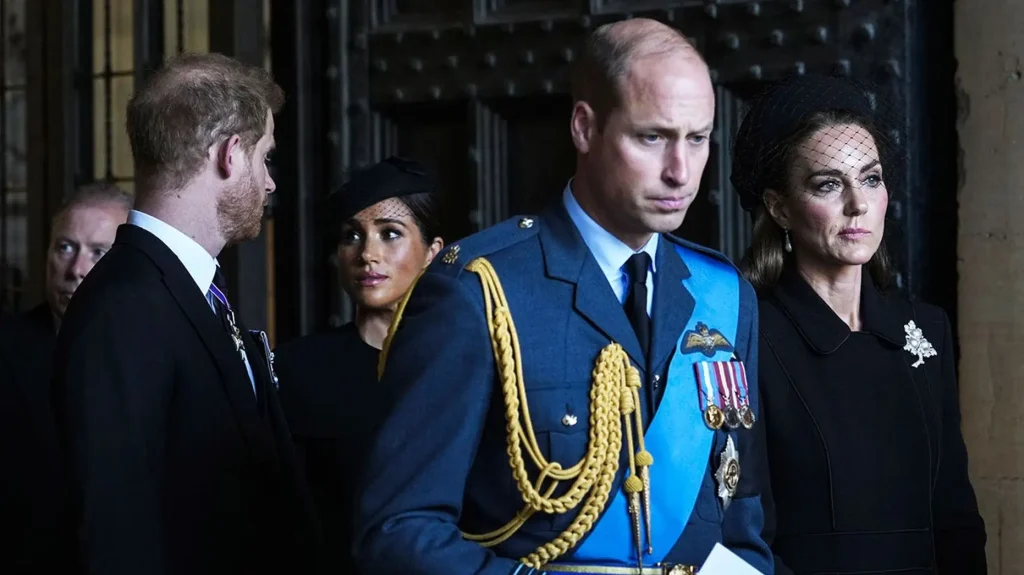
By 2019, tensions were visible. Harry and Meghan separated their household from William and Catherine’s. Stories of strain grew. The couple moved to Frogmore Cottage. Then came the South Africa tour. This trip became a turning point.
Meghan publicly said: “Not many people have asked if I’m okay.”
Harry acknowledged tensions with William, saying they were on “different paths.”
For royal watchers, this was shocking. Internal royal disagreements are almost never discussed publicly.
The Breaking Point: January 2020
n early 2020, Harry and Meghan announced they would step back as senior working royals. The announcement stunned Buckingham Palace. Negotiations were not finalized yet. Private discussions became global news overnight
This led to the Sandringham Summit. Queen Elizabeth, Charles, William, and Harry met to determine the path forward. The result became known worldwide as “Meg-xit.”
The agreement stated that Harry and Meghan would stop being senior working royals. They would no longer represent the Crown. Both would pursue financial independence. And of course, they would split time between North America and the UK
Instead of easing tensions, the move intensified them.
After the Exit: Interviews, Memoirs, and Growing Distance
The years that followed brought:
- The Oprah Interview
- The Netflix Documentary
- Harry’s Memoir Spare
- A Series of Public Revelations
Each widened the distance between Harry and the institution.
Security: The Issue That Never Went Away
Security became one of the defining issues of Harry’s post‑royal life. Harry argued that adequate protection was essential for his family. The government disagreed on what level should be provided.
For Harry, this wasn’t about bodyguards — it was about:
- His Mother’s Death
- Media Attention
- His Children’s Safety
- His Ability to Visit Britain
Security connected every major theme in his story.
So Why Did Harry Leave?
There is no single reason.
It wasn’t just Meghan. It wasn’t just William. It wasn’t just Charles. It wasn’t just the press.
It was all of them…and none of them…at the same time.
By 2020, Harry believed: “The life he wanted and the life the institution required were no longer compatible.”
Whether he was right remains a matter of fierce debate.
Please continue to follow The Unlocked Info for future updates.