
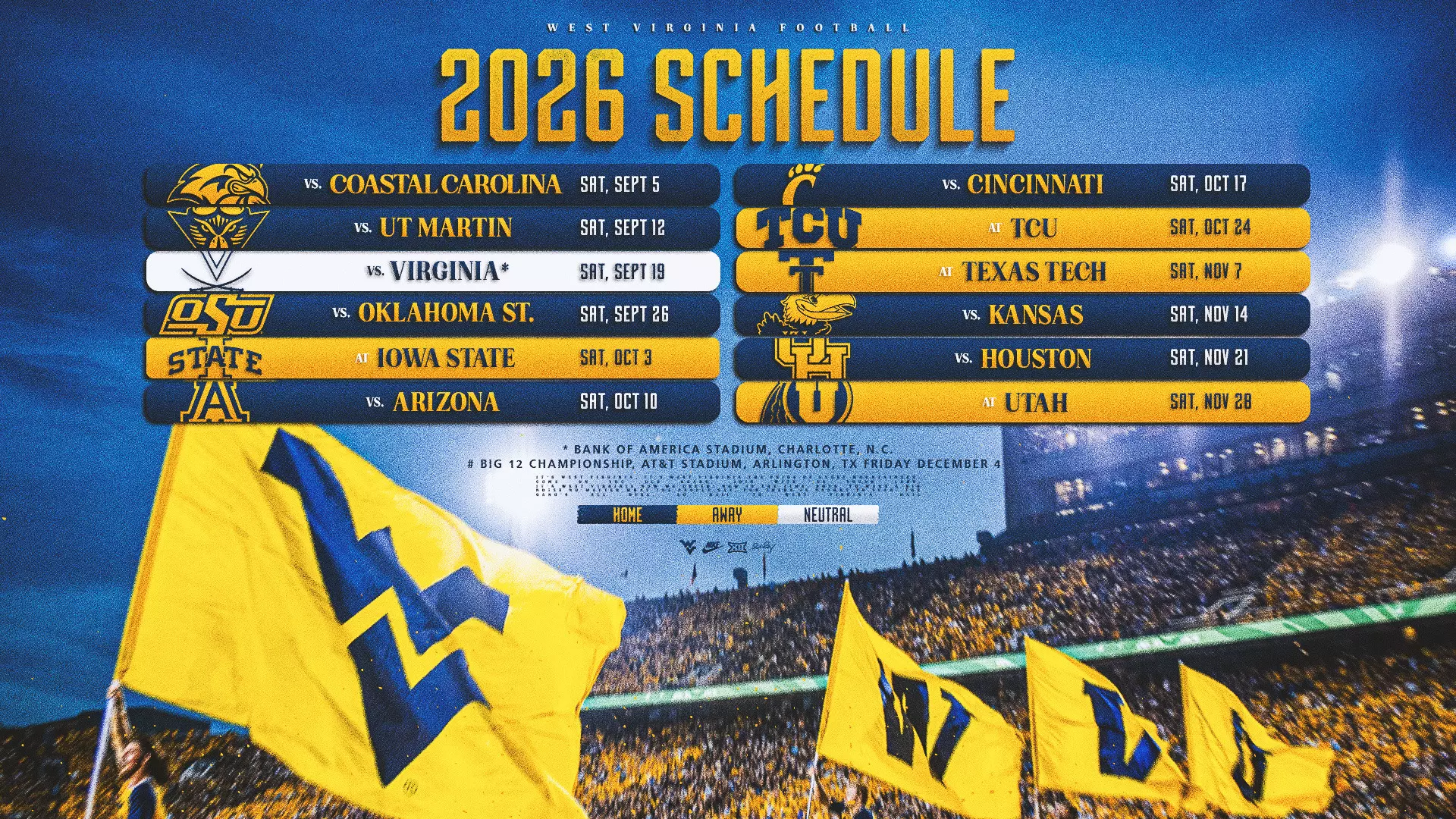
When West Virginia University’s Schedule with the latest batch of football kickoff times and TV windows dropped on May 31, 2026. It should have been a moment of clarity for fans eager to plan their fall Saturdays. Instead, as highlighted in the first segment of the Locked On West Virginia episode “I have a HUGE problem with WVU’s TV schedule today,” the announcement created more irritation than excitement. The issue wasn’t the opponents, the dates, or even the competitive implications. It was the lack of consistency and predictability in how WVU games are being televised this season.
The podcast’s host points out a problem that has become increasingly familiar to Mountaineer fans. WVU continues to be stuck with scattered, inconvenient, and often low‑visibility TV slots. Even as the program competes in one of the nation’s most prominent conferences. While the Big 12’s media landscape has been shifting rapidly, WVU seems to be one of the teams most affected by the chaos.
The Core Issue: WVU’s TV Windows Are All Over the Map
WVU’s newly announced kickoff times include a mix of early‑day windows, late‑evening slots, and several games placed on secondary or streaming‑heavy platforms. The frustration isn’t simply about preference. It’s about inconsistency. Fans can’t build routines around the team. The program’s struggles to maintain national visibility when its games are scattered across networks and time slots.
This inconsistency is especially glaring when compared to other Big 12 programs. Schools with similar competitive profiles often receive more stable scheduling. WVU is left with a patchwork of kickoff times that feel like afterthoughts. The podcast emphasizes that this isn’t just an annoyance. It’s a branding problem. Programs grow when fans can reliably find them. WVU’s current schedule makes that difficult.
Schedule: WVU vs. Virginia – Why This TV Slot Frustrates Fans
The one of the biggest issues is the decision to place West Virginia vs. Virginia (a neutral‑site season opener in Charlotte) on the ACC Network. For Mountaineer fans, this feels like a clear downgrade for a matchup that should carry national appeal.
The frustration isn’t just about channel preference. The ACC Network has limited distribution in West Virginia. Especially for fans who rely on basic cable packages or live in areas with fewer provider options. Instead of landing on ESPN, ABC, or even Fox (networks that typically showcase season‑opening Power Five matchups) WVU is tucked behind a conference‑specific paywall that many households don’t receive.
It creates awkward optics: a Big 12 program being showcased on another league’s network while several less compelling Big 12 games receive more prominent placements. For fans, it reinforces the feeling that WVU is being pushed into secondary windows rather than treated like a program capable of drawing a national audience. In short, the Charlotte game, should have been a spotlight moment. Instead, the ACC Network slot makes it feel smaller, harder to find, and out of step with the significance of the matchup.
Geography Still Hurts WVU: Even in a Streaming Era
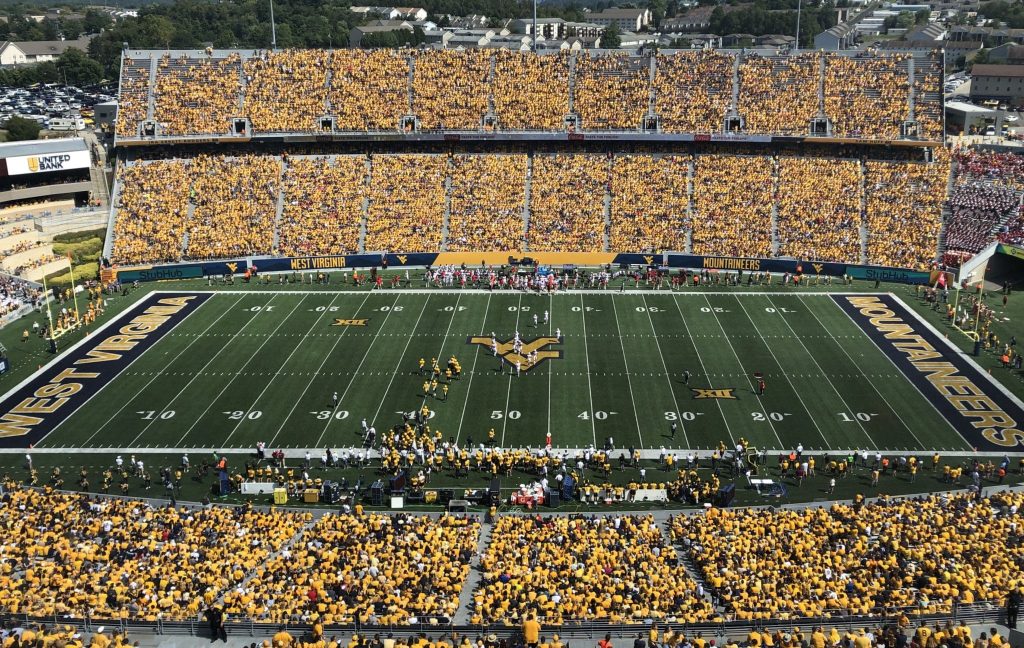
One of the underlying themes is that WVU’s geographic isolation within the Big 12 continues to work against it. While the conference stretches from Utah to Florida, West Virginia remains the lone outpost in the East. That distance affects travel, recruiting, and (as this schedule shows) television prioritization.
Networks tend to favor matchups that fit neatly into regional windows. WVU often ends up slotted into awkward times. It doesn’t align cleanly with the rest of the conference footprint. Even with streaming platforms expanding, traditional TV windows still dictate much of the exposure hierarchy.
WVU deserves better, especially given the program’s strong fan base and consistent viewership numbers. Yet the new schedule suggests that the Mountaineers remain an afterthought in the eyes of network executives.
Fans Pay the Price…Literally
Another point is the growing reliance on streaming‑exclusive broadcasts. While streaming has become a normal part of college sports, WVU fans are being asked to juggle multiple platforms. Just so they can follow their team week to week. That means multiple subscriptions, inconsistent broadcast quality, and the constant frustration of figuring out where each game is airing.
This isn’t unique to WVU, but the Mountaineers seem to be hit harder than most. Instead of a predictable rotation of ESPN, Fox, and ABC windows, WVU’s schedule forces fans to navigate a maze of digital services. For a fan base that spans rural regions where broadband access is still uneven. This is more than an inconvenience. It’s a barrier.
The Bigger Picture: WVU Needs a Stronger Seat at the Table
It makes it clear that this isn’t just a one‑year annoyance. It’s a symptom of a larger issue: WVU lacks leverage in Big 12 media negotiations. Until the program gains more influence (either through on‑field success, stronger administrative advocacy, or shifting conference dynamics) it will continue to be vulnerable to these scheduling frustrations.
Interestingly, this discussion comes at a time when the Big 12 is undergoing major structural changes. This includes debates over super leagues and congressional involvement in college athletics. WVU’s position in these broader conversations will likely determine whether future schedules look more favorable or continue to frustrate fans.
Conclusion: It’s a Wrong Message
The Locked On West Virginia episode captures what many fans felt the moment the TV schedule was released: WVU deserves better. The Mountaineers have a passionate national following, a competitive football program, and a history of drawing strong ratings. Yet the newly announced TV windows suggest a program being pushed to the margins.
Until WVU gains more influence in the Big 12’s media ecosystem, these frustrations may continue. But for now, the message from fans is clear: the current TV schedule is a problem. It’s time for WVU to demand better.
Please continue to follow The Unlocked Info for future updates and analysis.